
Why Hiring a Certified Roof Fixer Protects Your Investment
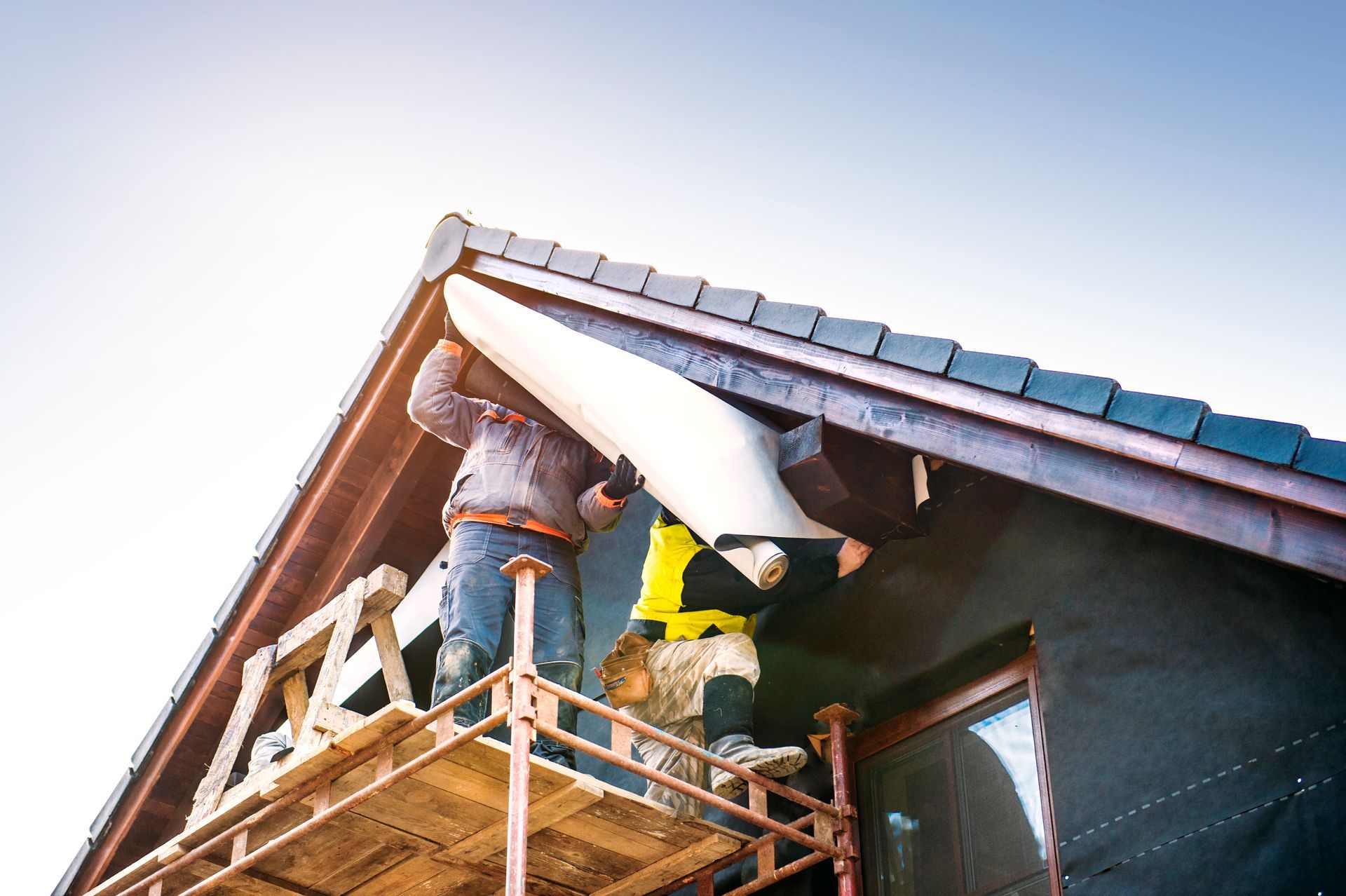
Your roof is one of the most important components of your home or commercial property. It protects everything inside from weather, structural damage, and energy loss. For this reason, when repairs, replacements, or maintenance are needed, hiring a certified roof fixer is essential. A certified professional ensures proper installation, adherence to building codes, and long-lasting performance, helping you avoid unnecessary costs and headaches.
Many property owners attempt to save money by hiring unlicensed or inexperienced roofers. While the initial cost may be lower, poor workmanship can lead to leaks, structural damage, or early deterioration, ultimately costing far more than the original repair. A certified roof fixer provides peace of mind, knowing your investment is protected with professional care.
Before diving into the details of hiring a certified roof fixer, here are some key takeaways to keep in mind.
Key Takeaways
- Certified roof fixers are trained and insured to handle repairs and installations correctly.
- Hiring a professional protects against costly future damage and reduces the need for frequent repairs.
- Certified roofers follow local building codes and manufacturer installation requirements.
- A professional can provide proper material recommendations for durability and weather resistance.
- Warranties and maintenance plans from certified fixers add extra security for your investment.
- Clear communication, inspections, and documentation ensure transparency throughout the project.
Why a Roof is a Critical Investment
Roofs are not just about shelter; they are a long-term investment in your property’s value, energy efficiency, and safety. A roof protects your home or business from rain, wind, heat, and UV exposure. It also influences insulation, structural integrity, and resale value. Damage to a roof, if left unaddressed, can lead to water infiltration, mold growth, wood rot, and even electrical hazards.
Because of the importance of roofing, it is essential to hire professionals who understand materials, weather patterns, and installation techniques. Certified roof fixers have the expertise and tools to ensure the roof performs well for years.
What Certification Means in Roofing
Certification is an indication that a roofer has met specific industry standards and has received training from recognized organizations or manufacturers. Certifications often require:
- Completion of training courses
- Knowledge of installation best practices
- Understanding of local building codes
- Demonstrated competency in working with specific roofing materials
Some manufacturers, such as GAF, CertainTeed, or Owens Corning, also offer certified installer programs. Hiring a certified installer ensures that manufacturer warranties remain valid and that your roof will be installed according to specifications.
Benefits of Hiring a Certified Roof Fixer
Hiring a certified professional provides several tangible benefits beyond proper installation.
1. Quality Workmanship
Certified roofers are trained to follow manufacturer guidelines and industry standards. This ensures:
- Proper sealing and flashing installation
- Correct slope and drainage
- Secure fastening of shingles, tiles, or membranes
- Reduced risk of leaks and premature damage
2. Warranty Protection
Certified roof fixers often provide:
- Workmanship warranties for the installation
- Material warranties that are valid only when installed by certified professionals
Warranties protect your investment by covering unexpected defects or failures, reducing long-term costs.
3. Safety
Roofing is physically demanding and potentially dangerous. Certified roofers follow:
- OSHA safety guidelines
- Proper fall protection protocols
- Safe handling of tools and materials
This protects both the workers and property owners.
4. Accurate Inspections and Assessments
Certified roofers provide:
- Detailed inspection reports
- Material condition assessments
- Estimates of repair or replacement needs
- Recommendations based on building codes and local climate conditions
Accurate inspections prevent unnecessary repairs and ensure targeted solutions.
5. Compliance with Codes and Regulations
Certified professionals understand local building codes, permit requirements, and insurance regulations. This ensures:
- Legal compliance
- Safe installation
- Validity of insurance claims in case of damage
Signs You Need a Certified Roof Fixer
Identifying potential roofing problems early can save money and extend the life of your roof. Common signs that require professional attention include:
- Water stains on ceilings or walls
- Missing, cracked, or curling shingles
- Sagging or uneven roof surfaces
- Granule loss on shingles
- Mold or mildew growth on roofing materials
- Increased energy bills due to poor insulation
Certified roof fixers can quickly assess these issues and provide a reliable solution.
Choosing the Right Certified Roof Fixer
Not all certified roofers are equal. Here are key factors to consider:
1. Verify Certification and Insurance
- Confirm manufacturer certifications
- Check state or local licensing
- Ask for proof of liability and workers compensation insurance
2. Check Experience and Reputation
- Request
past project portfolios
- Ask for references from recent clients
- Read online reviews and ratings
3. Compare Estimates
- Request detailed written quotes
- Compare material recommendations
- Evaluate labor costs and timelines
4. Evaluate Communication
- Look for clear explanations of the repair or replacement process
- Ensure responsiveness to questions
- Confirm transparency about potential challenges
5. Consider Warranties and Maintenance Plans
- Review coverage for both materials and workmanship
- Ask about preventive maintenance programs
- Confirm what conditions could void the warranty
Common Roof Issues and Potential Costs
| Roofing Style | Best For | Appearance | Cost Level |
|---|---|---|---|
| Standing Seam | Modern homes, commercial buildings | Clean, contemporary lines | Medium to High |
| Metal Shingles | Traditional homes, historic properties | Mimics traditional materials | Medium |
| Corrugated Panels | Rustic, industrial styles | Bold, textured appearance | Low to Medium |
| Metal Tiles | Mediterranean, Spanish styles | Elegant, sophisticated look | High |
This table helps property owners identify common issues and the benefits of professional attention before small problems escalate.
Materials and Roofing Systems
Certified roof fixers are familiar with a wide range of roofing materials. These include:
- Asphalt shingles: Cost-effective and versatile
- Metal roofing: Durable and long-lasting
- Tile or slate: Aesthetic appeal, heavy but durable
- Flat membrane roofing: Ideal for commercial properties
- Modified bitumen: Strong and weather-resistant
A certified roof fixer can recommend the right material based on your property type, local weather, and budget considerations.
Maintenance Tips from Certified Roof Fixers
Preventive maintenance extends your roof’s life and protects your investment. Certified roofers recommend:
- Regular inspections at least twice a year and after storms
- Cleaning gutters and downspouts
- Removing debris from roof surfaces
- Checking for loose or damaged shingles
- Ensuring proper ventilation in attic spaces
Following these guidelines helps avoid costly repairs and enhances roof longevity.
Cost Considerations
Hiring a certified roof fixer may seem more expensive initially, but it reduces long-term costs. Professional installation avoids:
- Frequent repairs
- Damage to building interiors
- Premature replacement
- Warranty issues due to improper installation
Certified roofers provide a balance between cost, quality, and long-term value.
Emergency Roofing Services
Certified roof fixers often provide emergency services for:
- Storm damage
- Fallen debris
- Sudden leaks or water intrusion
- Temporary patching until permanent repair
Emergency service availability ensures your property is protected and minimizes potential losses.
Frequently Asked Questions
What qualifications should a certified roof fixer have?
A certified roof fixer should have manufacturer certifications, state or local licenses, liability insurance, and workers compensation coverage.
How long does a roof repair or replacement take?
Timelines vary based on roof size, material, and weather. Small repairs can take a few hours to a day, while full replacements may take several days to weeks.
Do certified roofers offer warranties?
Yes, certified roofers provide material and workmanship warranties to protect your investment and ensure quality performance.
How often should I schedule roof maintenance?
Most roofs benefit from inspections at least twice a year and after major storms to identify potential issues early.
Can a certified roof fixer work on both residential and commercial roofs?
Yes, certified roof fixers are trained to handle both residential and commercial properties, adapting techniques to each roof type.
Final Thoughts
Hiring a certified roof fixer is one of the smartest investments you can make for your property. Certified professionals provide:
- Quality installation and repairs
- Compliance with local codes
- Warranty protection
- Safety for workers and residents
- Long-term performance and durability
Your roof is critical to protecting your property, maintaining energy efficiency, and preserving structural integrity. Choosing a
certified professional ensures your investment is secure and your property remains protected for years to come.
Protect your property and your investment by hiring a certified roof fixer today. Contact us to schedule a consultation, inspection, or repair.
Reference:
https://www.epa.gov/iaq-schools/heating-ventilation-and-air-conditioning-systems-part-indoor-air-quality-design-tools
Share this article